




Estate Planning for Pet Owners: A Q&A
October 2026


by Alex Freedman, Senior Wealth Advisor
Pets rely on us every day for their health, comfort, and care. If you were suddenly unable to look after yours, would someone know whom to call, where to find their medication, and how to take over?
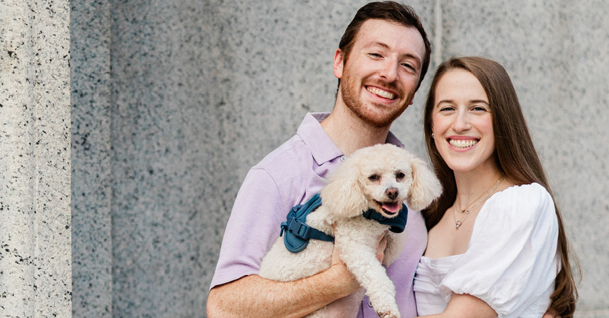
I’ve asked myself these questions about my own dog, Gracie, and what would happen to her if something happened to me. These immediate questions matter just as much as the longer-term financial arrangements. Here are a few areas to discuss as part of your estate plan.
Why should I include my pet in my estate plan?
A plan can identify who is willing to care for your pet, provide information about their needs, and set aside resources for their care. It can also address what happens if you become unable to care for your pet during your lifetime, whether temporarily or permanently.
How do I choose a caregiver?
Start with a discussion. Caring for an animal takes time, space, and a willingness to meet their particular needs. Ask the person you have in mind whether they would be comfortable taking on that responsibility. Consider naming a backup in case your first choice cannot serve when needed.
If your pet has medical or behavioral needs, talk through those details as well. A person who loves your pet may still need help understanding what their daily care involves.
What should I put in writing?
A care letter can give your chosen caregiver the practical information they would need right away:
- Your veterinarian and emergency contacts
- Medications, medical history, and insurance information
- Feeding instructions and daily routines
- Behavioral needs and favorite activities
- Microchip and licensing information
- The location of supplies and important records
Make sure a trusted person knows where to find the letter. You may also want an emergency contact who can step in quickly if you are hospitalized or otherwise unavailable.
How much should I set aside?
Think about your pet’s age, health, likely care needs, and the costs you currently pay. Food, veterinary visits, medication, grooming, boarding, and emergency treatment can all be part of the estimate. If you have multiple pets, account for their individual needs.
An estate planning attorney can help you decide how to provide funds and how much is appropriate under the laws governing your plan.
Would a pet trust make sense?
A pet trust can set out how funds should be used for an animal’s care. It may name a caregiver to look after the pet and a trustee to manage the money. The trust can also address a replacement caregiver, oversight of the pet’s care, and what happens to any funds remaining after the pet’s death.
The rules and drafting requirements vary by state. Your attorney can help determine whether a separate pet trust or provisions within an existing trust fit your circumstances.
Can my will address my pet?
Your will may identify a person to receive your pet and provide funds for their care, subject to applicable state law. A will takes effect at death, however, and administering the estate can take time. It will not, by itself, solve the question of who cares for your pet if you are alive but unable to do so.
Discuss the will alongside your other planning documents and your immediate care arrangements so the pieces work together.
What if I adopt another pet?
Let your attorney and chosen caregiver know. Update your care instructions and revisit the people and funding named in your plan when your household or your pets’ needs change.
Planning for the care they count on
The first step can be simple: ask someone you trust whether they would care for your pet, and write down what they would need to know. From there, your advisory team and estate planning attorney can help you consider how to support that care over the longer term.
At Eclipse, we know firsthand how important pets are and why planning for their care matters. Having a plan in place can help them continue to receive the love and care they deserve.
Let’s talk about how the people, responsibilities, and resources in your plan fit together.